
Two people who could not pay their rent accidentally invented one of the most audacious business models of the 21st century.
An Idea Born From Desperation
In October 2007, Brian Chesky and Joe Gebbia could not cover the rent on their San Francisco apartment. When they learned that a major design conference was coming to the city and every hotel room was already booked, they saw an opening: inflate three air mattresses in their living room, rent them out overnight, and throw in breakfast.
Three strangers took them up on the offer. Nobody was robbed. Nobody was harmed. And the two founders discovered something that would reshape the global travel industry: human beings are willing to trust each other far more than conventional wisdom suggests — given the right conditions.
When they brought the idea to Y Combinator, partner Paul Graham asked one pointed question: ‘Why would anyone stay in a stranger’s home?’ Chesky answered: ‘Why does anyone stay in a hotel? It’s also a stranger’s property.’ Graham funded them. The logic was hard to argue with.
“People said we were crazy to think anyone would let a stranger into their home. But they had been doing it for thousands of years.” — Brian Chesky
From Idea to Global Platform
Airbnb was rejected by seven investors before finding backing. To keep the company alive during the 2008 presidential campaign, Chesky and Gebbia produced limited-edition cereal boxes — Obama O’s and Cap’n McCain’s — and sold them at the Democratic National Convention for $40 each. They raised $30,000. Enough to survive.
The critical turning point came when they noticed that listings in New York were underperforming. The reason, they discovered, was photography. Hosts were posting blurry, poorly lit images of their spaces. Rather than building an algorithm, the founders rented a camera and personally visited every New York listing to take professional photographs. Bookings doubled within a week.
It was not scalable. It was not efficient. But it proved the most important hypothesis in their business: better photography meant more trust, and more trust meant more bookings. From that insight, Airbnb built a professional photography program that eventually operated in dozens of cities worldwide.
The Key Lesson From Airbnb
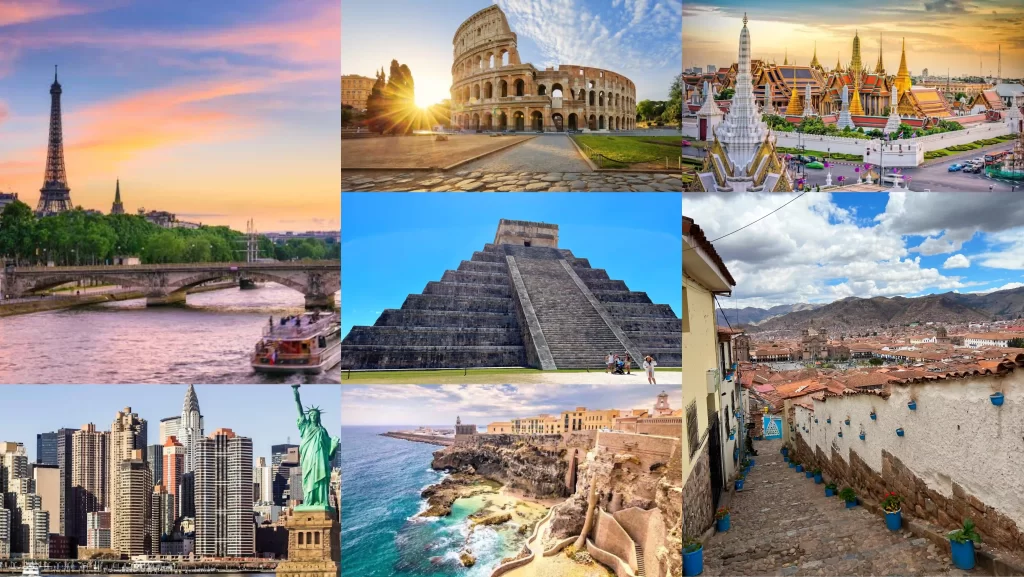
Airbnb did not invent short-term room rental — that had existed for centuries. What they invented was trust at global scale. The two-sided review system, host protection insurance, and identity verification processes transformed what sounded like a dangerous idea into a platform with 7 million listings across 220 countries.

Core Lesson: Sometimes the best product is not the one with the most features — it is the one that creates the most trust between the people using it.