
In Brazil, the six largest banks controlled over 80% of the financial market and had done so for decades. They charged some of the highest banking fees in the world. They required in-person branch visits for basic account opening. And their customer satisfaction scores were, by any measure, catastrophic.
David Vélez arrived from Colombia in 2012 to open a bank account in São Paulo. The process took weeks, required extensive documentation, and involved a security door that made him feel, in his own words, like a criminal. He left with a different kind of idea.
The Frustration That Built a Unicorn
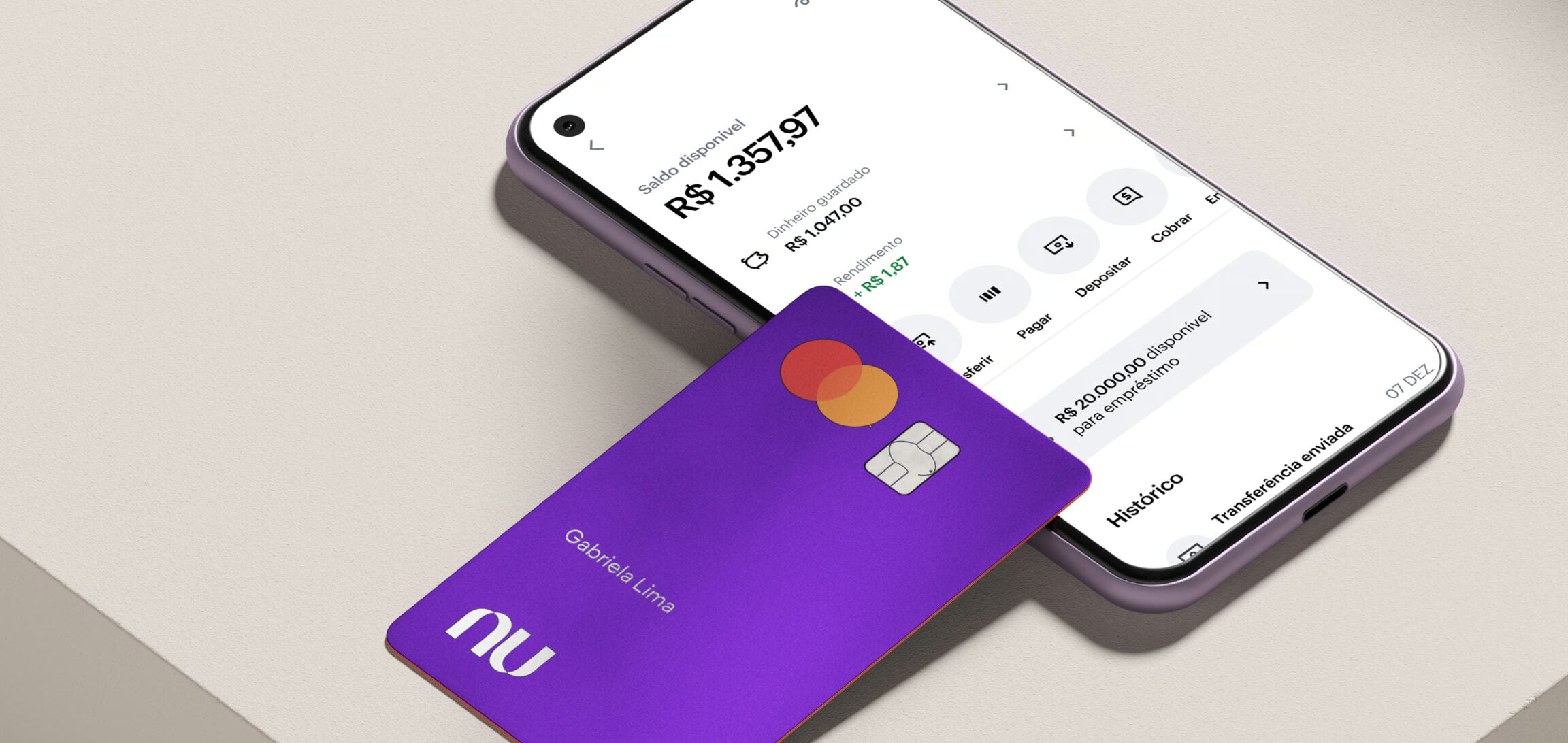
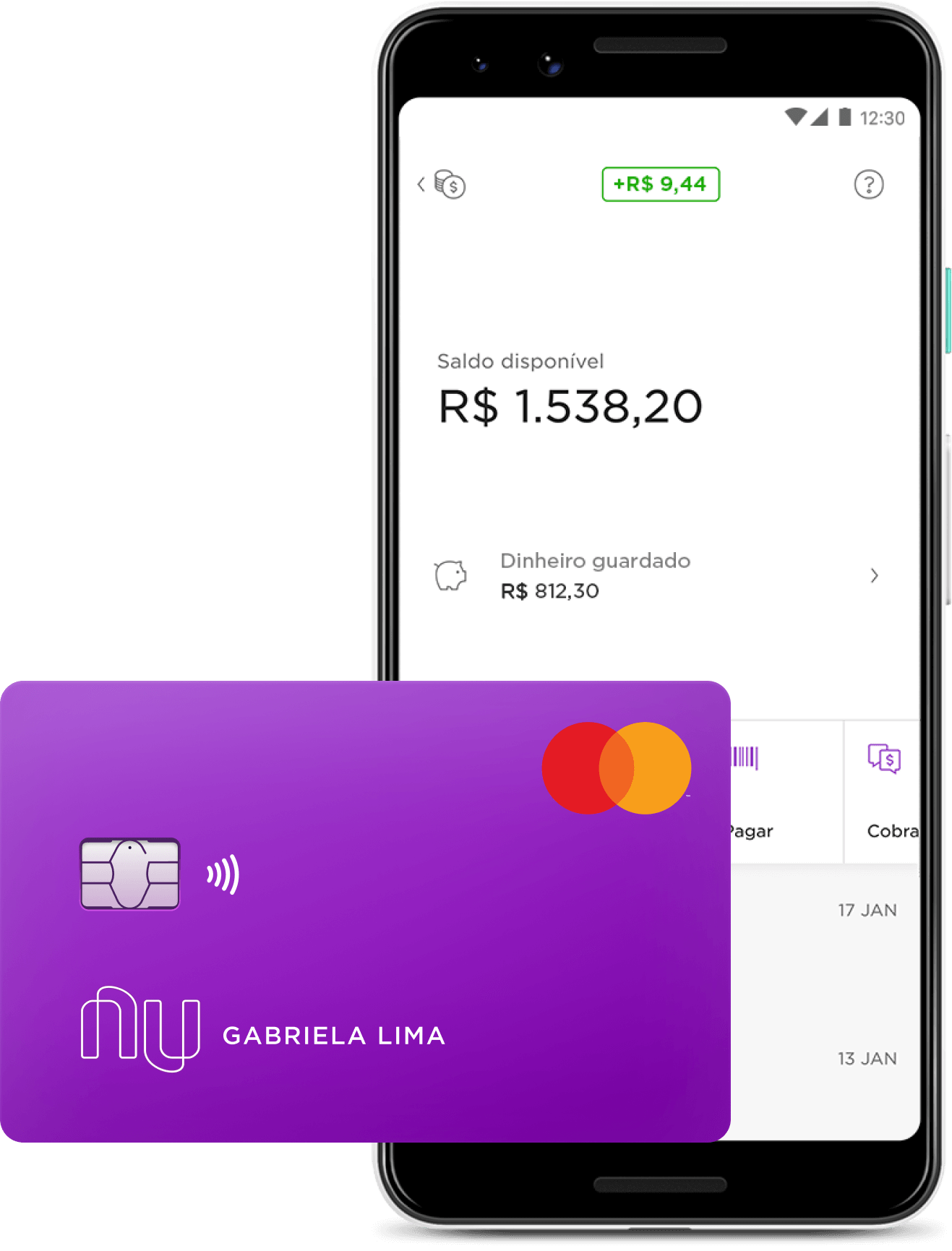
Nubank launched in 2013 with a single product: a no-fee credit card managed entirely through a mobile app. No branches. No annual fee. No hidden charges. Customer service was handled through the app, with real humans responding in minutes rather than days.
The waitlist for Nubank’s card reached one million people before the product was widely available. Brazilians were not waiting because Nubank had better technology. They were waiting because Nubank treated them with a dignity that the incumbent banks had never bothered to offer.
“We did not build a bank. We built the product we wished had existed when we arrived.” — David Vélez
Growing Without Advertising
What Nubank did next was structurally unusual. They spent almost nothing on traditional advertising. Their growth came almost entirely from word of mouth — customers recommending the product to family members who had experienced the same indignities at traditional banks.
This was not a deliberate growth hack. It was a consequence of solving a problem that mattered deeply to real people. When a product removes genuine pain — not minor inconvenience, but years of accumulated frustration — customers become advocates without prompting.
Nubank expanded into Mexico and Colombia, adapting its model to each country’s regulatory environment and banking culture. By 2023, it had over 85 million customers across Latin America, making it the largest digital bank in the world outside China.
The Key Lesson From Nubank
Incumbent industries with high customer dissatisfaction and structural barriers to switching are not fortresses. They are invitations. Nubank did not win by being technologically superior to the banks. It won by deciding that the customer — not the regulatory system, not the fee structure, not the branch model — was the starting point for every product decision.

Core Lesson: High customer dissatisfaction in a legacy industry is not a warning sign for new entrants — it is a product roadmap. The incumbent’s worst behaviors are the challenger’s clearest brief.