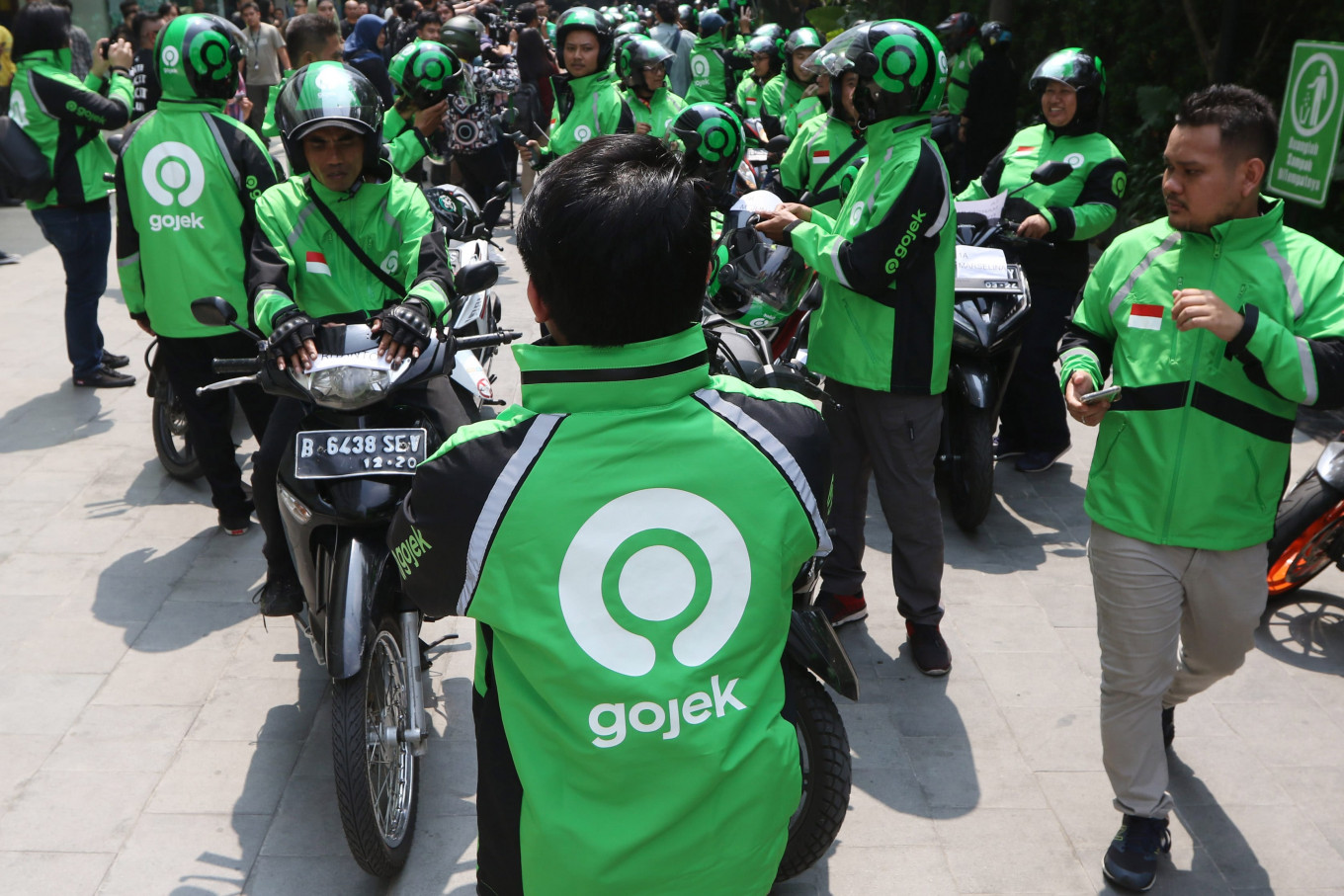

Before Gojek had an app, it had a call center and twelve motorcycle drivers.
Nadiem Makarim, frustrated by Jakarta’s notorious traffic and the inability to find a reliable ojek — the motorcycle taxi that millions of Indonesians used daily but which had no formal system — launched Gojek in 2010 as a dispatch service. Customers called a number. Dispatchers matched them with drivers. It was entirely manual, entirely informal, and entirely understood by the people it served.
Building From the Street Up
When Gojek launched its smartphone app in 2015, it did not replicate a Western ride-hailing model. It digitized something that already existed in Indonesian daily life and made it faster, safer, and more reliable. The ojek was not a novelty — it was infrastructure. Gojek simply gave it a platform.
The distinction matters. Uber entered Southeast Asian markets and asked users to change their behavior. Gojek entered the Indonesian market and asked users to do what they already did, but through an app.
Within one year of launching the app, Gojek had expanded from transportation into food delivery, logistics, digital payments, cleaning services, massage, and pharmaceutical delivery. The super app model worked in Indonesia specifically because the smartphone was often the first and only computing device a user owned. If Gojek could be on that device, it could be part of everything.
“We are not a technology company. We are a company that empowers people.” — Nadiem Makarim
The Driver as Customer
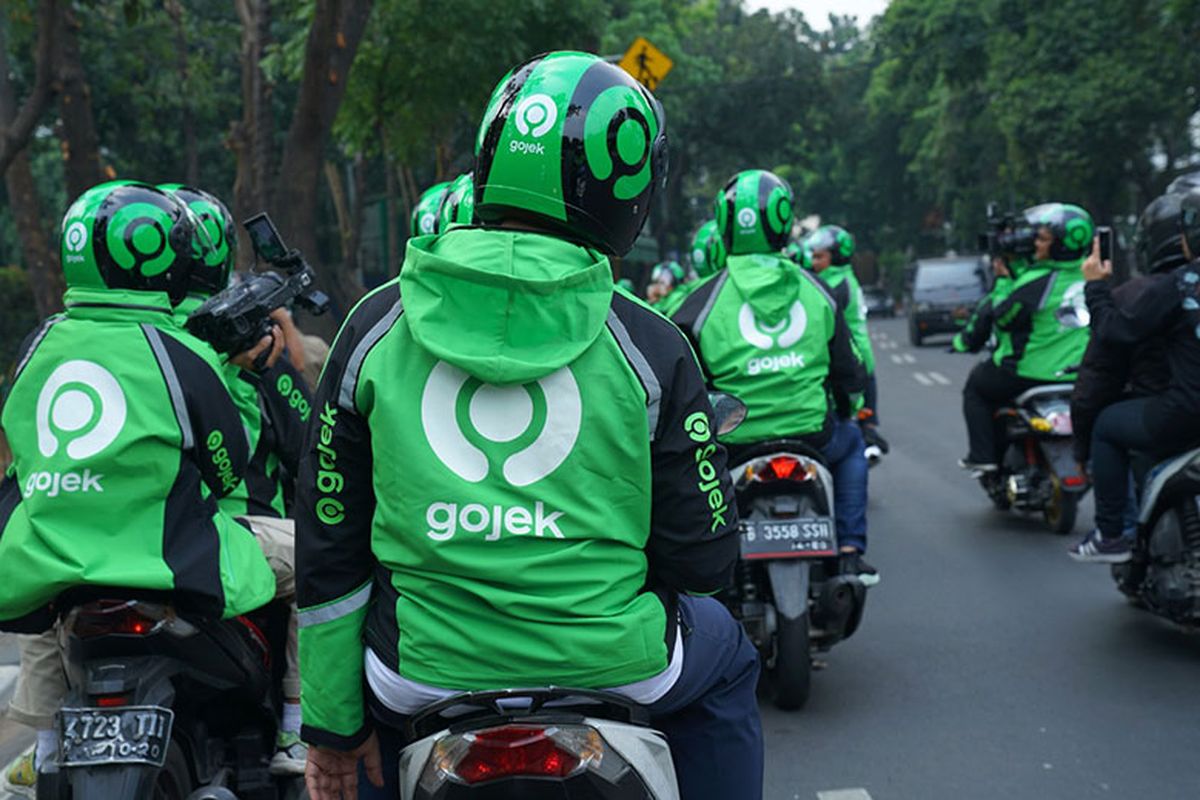
One of Gojek’s most consequential decisions was recognizing that its drivers were not merely service providers. They were customers. Many were previously underemployed or working in informal economies with no income stability. Gojek provided them with a consistent income stream, access to financial products through GoPay, insurance coverage, and a community.
This created a loyalty that competitors found difficult to replicate. When ride-hailing price wars broke out across Southeast Asia, Gojek’s driver retention remained higher than the market average — not because of incentives alone, but because the platform had made a genuine difference in its drivers’ economic lives.
The Key Lesson From Gojek
The super app model is not transferable by template. It succeeded in Indonesia because Gojek understood that its market was defined by informal economies, mobile-first users, and a transportation system that already relied on motorcycles. Each vertical added to the platform was not a diversification play — it was an extension of trust already built with users and drivers through a product they genuinely depended on.

Core Lesson: The path from a single product to a platform is not built through feature expansion — it is built through trust. Earn deep trust in one area of a user’s life, and you earn the right to be part of others.