
An Idea Born From Necessity
In 2007, Kenya had a banking penetration rate below 20%. The majority of the population had no savings account, no credit history, and no reliable way to send money across the country. Migrant workers in Nairobi sending wages home to rural families were dependent on buses, trusted strangers, and informal networks that were slow, unreliable, and frequently dangerous.
Safaricom, in partnership with Vodafone, launched M-Pesa — a mobile money transfer service built not for smartphones, but for the basic feature phones that most Kenyans already owned. The system ran on SMS. No internet connection required. No bank account required. No credit check required.
The product was not elegant by Silicon Valley standards. It was precisely right for the people it served.
The Infrastructure Nobody Else Built
What made M-Pesa defensible was not its technology — any telecom could have replicated the SMS mechanics. What made it defensible was its agent network. Safaricom built a distribution system of over 40,000 local agents — small shop owners, market vendors, and kiosk operators — who served as human ATMs across the country. Depositing and withdrawing cash happened face to face, in neighborhoods, in languages people spoke.
Western fintech companies entering Africa in subsequent years arrived with apps, digital wallets, and frictionless onboarding flows designed for users with smartphones, reliable internet, and existing bank accounts. They were solving the wrong problem for the wrong user.
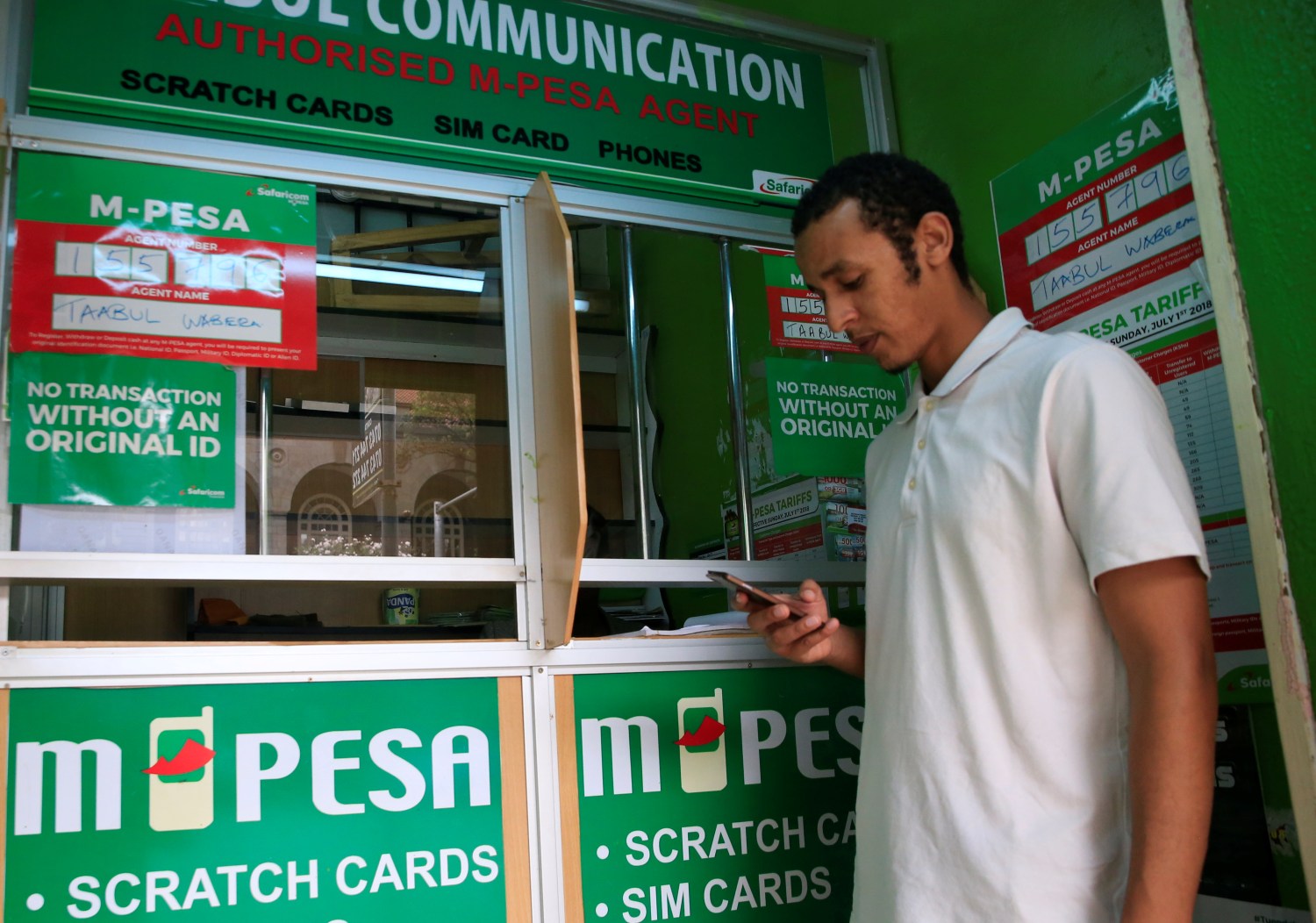
“M-Pesa did not bring banking to the unbanked. It made banking irrelevant to the transaction.”
By 2023, M-Pesa was processing over $314 billion in transactions annually, representing more than 50% of Kenya’s GDP moving through a single platform. It had expanded into Tanzania, Mozambique, Ghana, Egypt, Ethiopia, and beyond.
The Key Lesson From M-Pesa
A product built for a user who does not yet have internet access, a smartphone, or a bank account requires a fundamentally different architecture than one built for a user who has all three. M-Pesa succeeded because Safaricom designed for the actual user, not the aspirational one. Every feature decision — SMS over app, agents over ATMs, airtime credit over formal lending — was made by understanding the real constraints of real people.

Core Lesson: The most underserved markets are not underserved because the problems are too hard. They are underserved because the dominant companies are designing products for users they already understand, not for users they have not yet taken the time to know.