
When Sachin Bansal and Binny Bansal launched Flipkart in 2007 from a Bangalore apartment, e-commerce in India faced obstacles that most American investors considered disqualifying: internet penetration below 5%, credit card ownership below 2%, a postal system of uneven reliability, and widespread consumer distrust of online transactions.
The Bansals did not see a broken market. They saw a solvable set of problems.
Engineering Trust, Not Just Technology
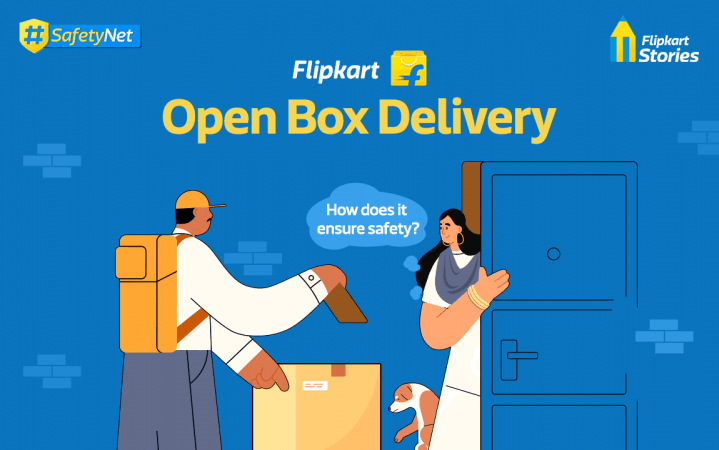
The first thing Flipkart built was not a better website. It was a cash-on-delivery system. In a market where most consumers had never purchased anything online and had no reason to trust that a product would arrive as described, Flipkart removed the financial risk entirely. Pay when the package arrives. If the product is wrong, refuse it at the door.
This single decision unlocked a consumer base that no amount of marketing could have reached. It addressed the real psychological barrier — not technical friction, not price, but the fundamental question: will I actually receive what I pay for?

“We built for Bharat, not for the boardroom.” — Sachin Bansal
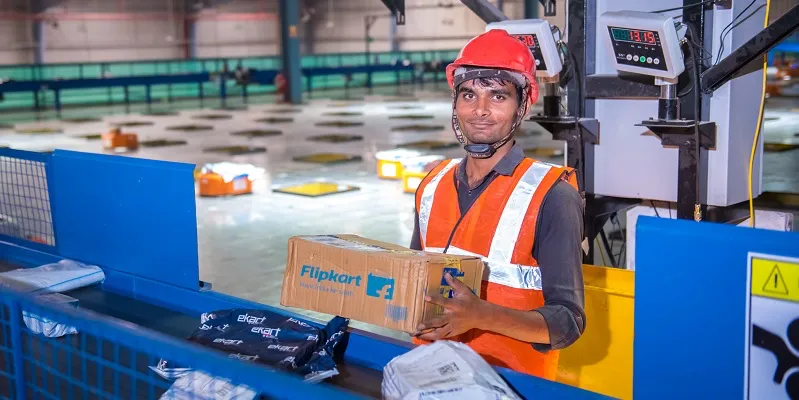
Flipkart also built its own logistics network, Ekart, because third-party courier services in India were inconsistent across regions. Controlling delivery meant controlling the customer experience end to end — a costly decision that became a structural advantage when Amazon entered the market in 2013.
The Amazon Encounter
Amazon arrived in India with capital, technology, and a global reputation. It also arrived with assumptions built from American consumer behavior: that customers had credit cards, that postal delivery was reliable, that trust in online transactions was already established.
Flipkart had spent six years building for the actual conditions of the Indian market. By 2013, it had 15 million registered users, an established logistics network, and category leadership in books, electronics, and fashion. Amazon could replicate the website. It could not quickly replicate the last-mile infrastructure or the consumer trust that Flipkart had accumulated year by year.
Flipkart was eventually acquired by Walmart in 2018 for $16 billion — the largest e-commerce acquisition in history at the time. The valuation was not built on technology. It was built on a decade of understanding Indian consumers more completely than any foreign competitor had been willing to invest in doing.
The Key Lesson From Flipkart
Market-specific problems require market-specific solutions. Cash on delivery, regional logistics, and vernacular language support were not features that emerged from a product roadmap. They emerged from a genuine attempt to understand why an Indian consumer in 2008 would not, or could not, buy something online — and then systematically removing each barrier.
Core Lesson: First-mover advantage in an emerging market is not about arriving early. It is about building solutions native to that market’s actual constraints before a better-funded competitor decides the market is worth entering.