
Anthony Tan did not want to build ‘the Uber of Southeast Asia.’ He wanted to build something that understood Southeast Asia better than any Western company ever could.
An Idea Born From Fear
In 2012, while completing his MBA at Harvard Business School, Anthony Tan watched his female friends in Malaysia express genuine fear about taking local taxis. Drivers were unverified, trips were untracked, and accountability in the event of an incident was practically nonexistent. The problem was structural, and it was damaging.
Tan’s final class project — a business plan for a safer, technology-enabled ride-hailing service in Malaysia — received a B grade from his professor. A startup competition judge, however, saw it differently, awarding Tan $25,000 in prize money. MyTeksi, later renamed Grab, was built from that initial belief and that initial capital.
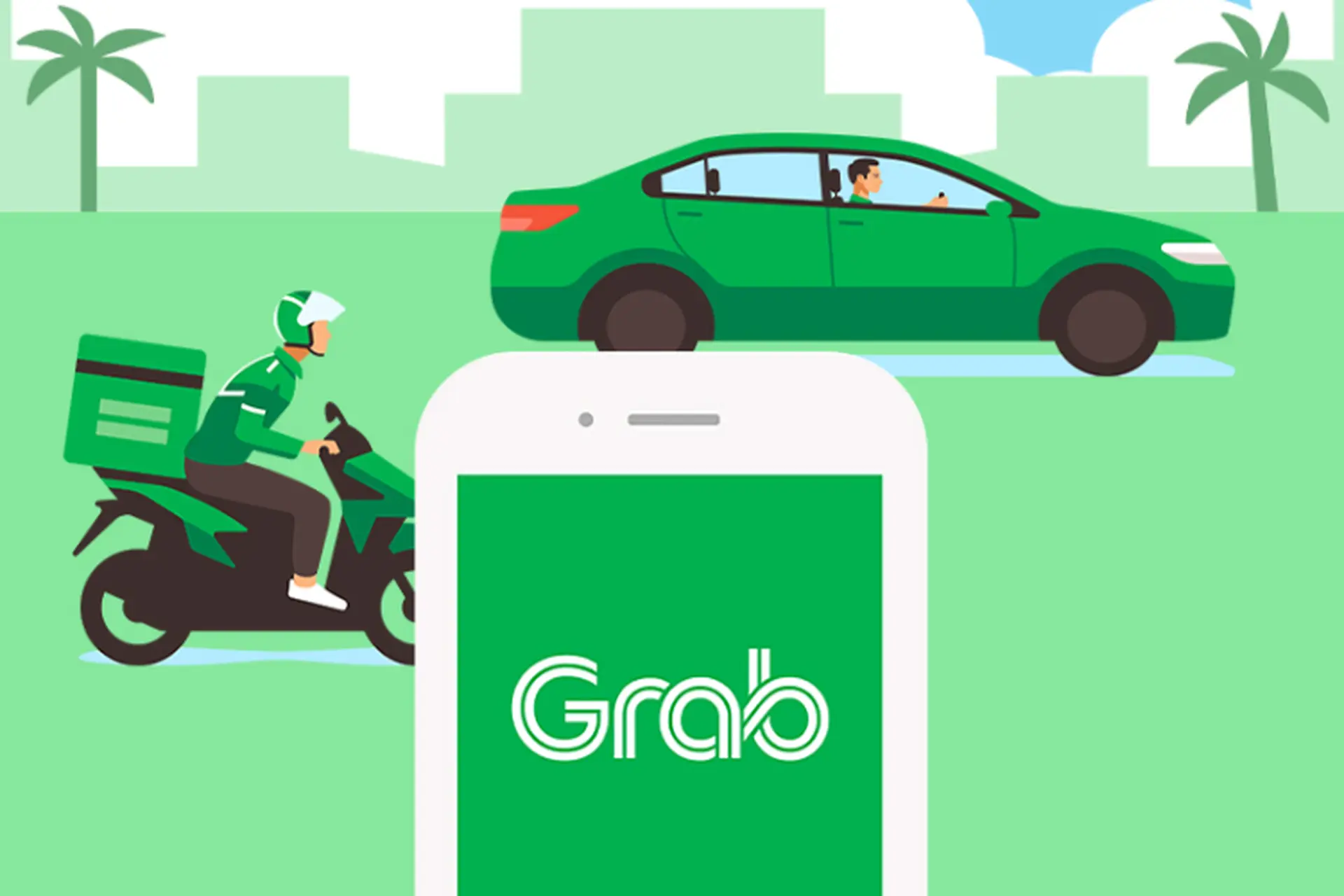
Grab launched in Malaysia in 2012 with a focus that Uber had not prioritized: safety for passengers. Real-time GPS tracking, driver profiles with photographs, and an in-app emergency button were features designed specifically for markets where formal accountability systems were weak. The product was not more convenient than alternatives — it was safer. That was the differentiator.
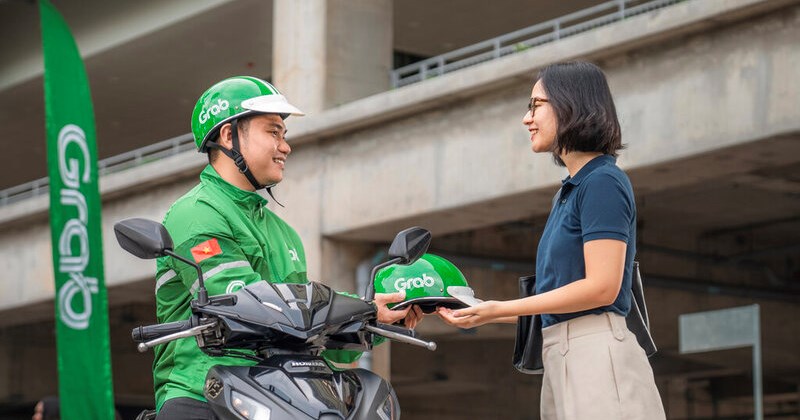
“We did not want to be the Uber of Southeast Asia. We wanted to be the Grab of Southeast Asia.” — Anthony Tan
Localization: The Secret Weapon Against the Giant
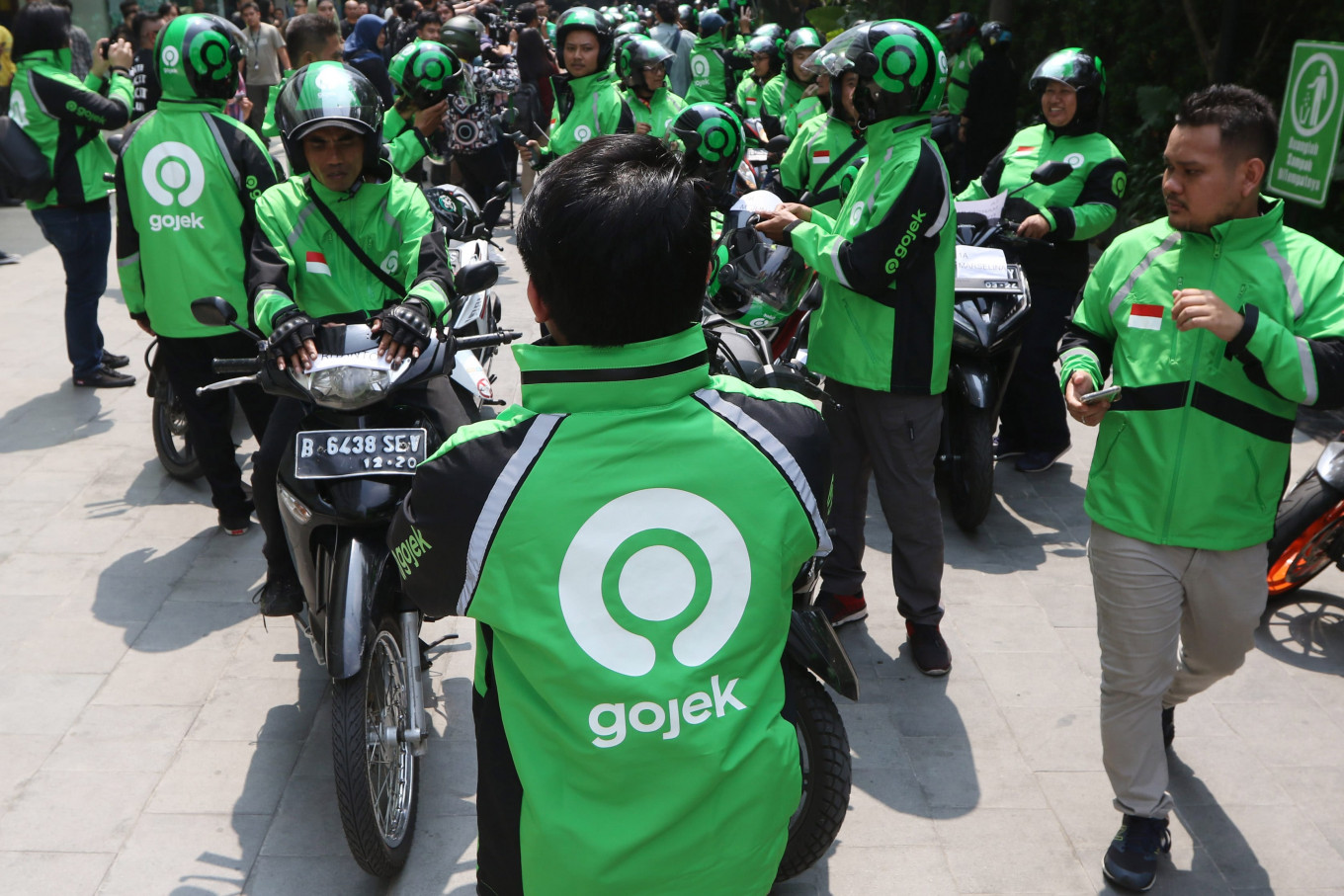
When Uber entered Southeast Asia with its global playbook — same app, same experience, same assumptions — Grab moved in the opposite direction. In Indonesia, Grab integrated ojek motorcycle taxis, a dominant form of local transportation that Uber had overlooked entirely. In the Philippines, they built cash payment into the app because card penetration was low. In Vietnam, they adapted pricing structures to match local income realities.
When Uber exited Southeast Asia in 2018, selling its regional operations to Grab in exchange for a 27.5% stake, the outcome was not a surprise to those watching closely. Grab had not beaten Uber with better technology. They had beaten them with better understanding of the people they were serving.
Grab continued expanding well beyond transportation. GrabFood, GrabExpress, GrabPay, GrabFinance, and GrabHealth transformed the company from a ride-hailing app into a super app ecosystem — a single platform woven into the daily routines of over 35 million users across eight countries. The logic was straightforward: if Grab was already on every user’s phone for transportation, why not become the platform for everything else?
The Key Lesson From Grab
Grab defeated a better-funded global rival not through superior technology, but through superior market understanding. While Uber imposed a Western model on Southeast Asian cities, Grab built upward from local infrastructure, local behaviors, and local trust. The company that understands its customer most deeply — not the one with the largest war chest or the earliest entry — tends to define the market in the end.
This lesson matters particularly for anyone building a business in emerging markets: the template that worked in San Francisco will not automatically work in Jakarta, Manila, or Ho Chi Minh City. Localization is not translating an interface. It is redesigning the product from the ground up for the people who will actually use it.
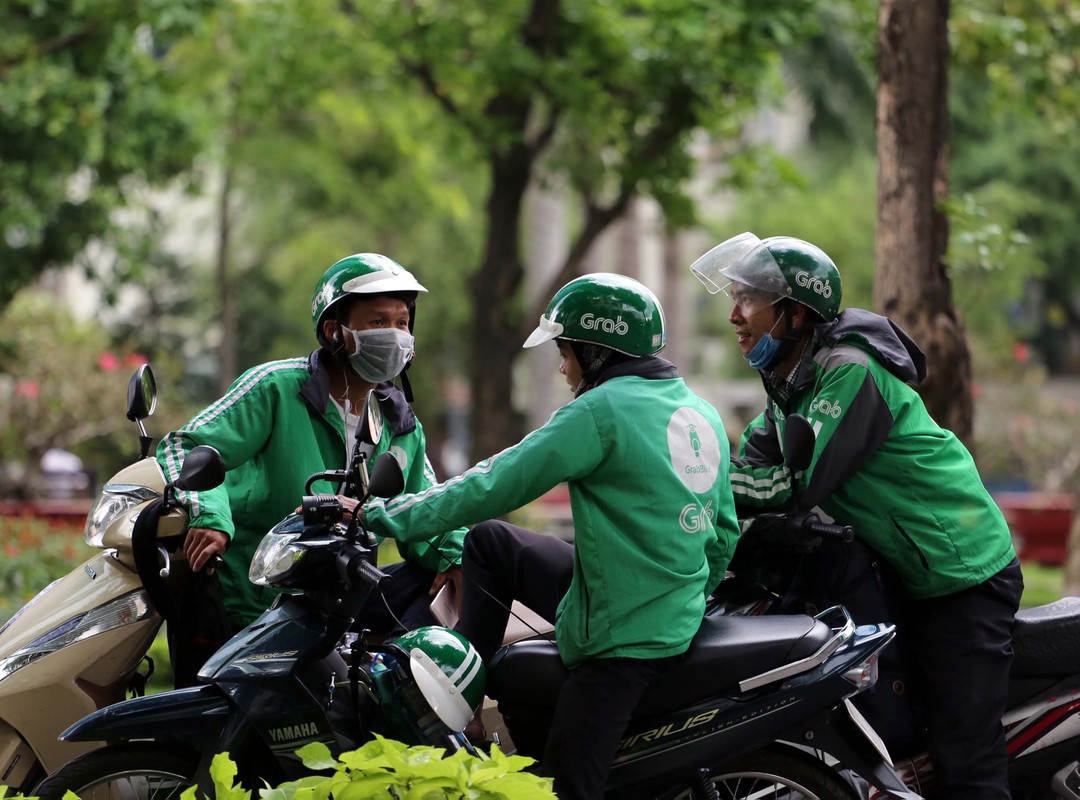
Core Lesson: Localization is not translating your interface into the local language — it is building your product from the real needs of local users, not from a global template.